
Track & Trace · Industrial traceability
Industrial Track & Trace Solutions
KUFAR provides industrial marking equipment, serialization, aggregation and software integration to help businesses identify and trace products throughout production and packaging.
Let’s find the right solution for your product and production line.
See how the solution works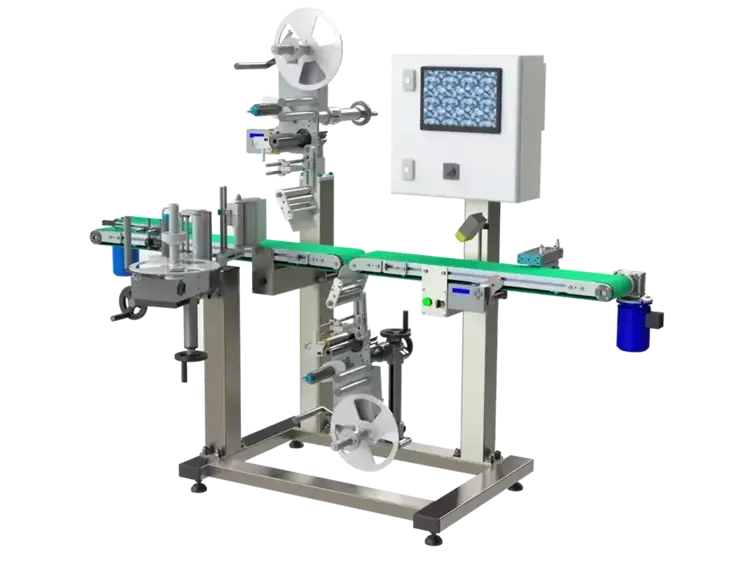
Equipment · Installation · Integration · Support
How can Track & Trace support your production?
A product code is the starting point for connecting a physical item with production and packaging records. Track & Trace helps establish which items belong to a pack, case or pallet and makes those relationships available to your operations team.
The required records follow your process: individual identification, code reading, packaging relationships and agreed data exchange. A traceability project can address your own production needs as well as requirements for particular markets.
Exporting to Russia: one application
Chestny ZNAK is Russia’s national product-marking system, one application for industrial traceability.
For products covered by its rules, manufacturers and importers establish registration, code-ordering and reporting responsibilities for the relevant category.
KUFAR’s technical scope
KUFAR provides equipment selection and supply, installation and commissioning, software integration and technical support.
Required interfaces, code handling and aggregation functions are agreed after technical assessment.
Chestny ZNAK for exports to Russia — in Russian
Equipment and integration for industrial traceability
Marking equipment, commissioning and integration — defined around the identification and traceability records your production needs.
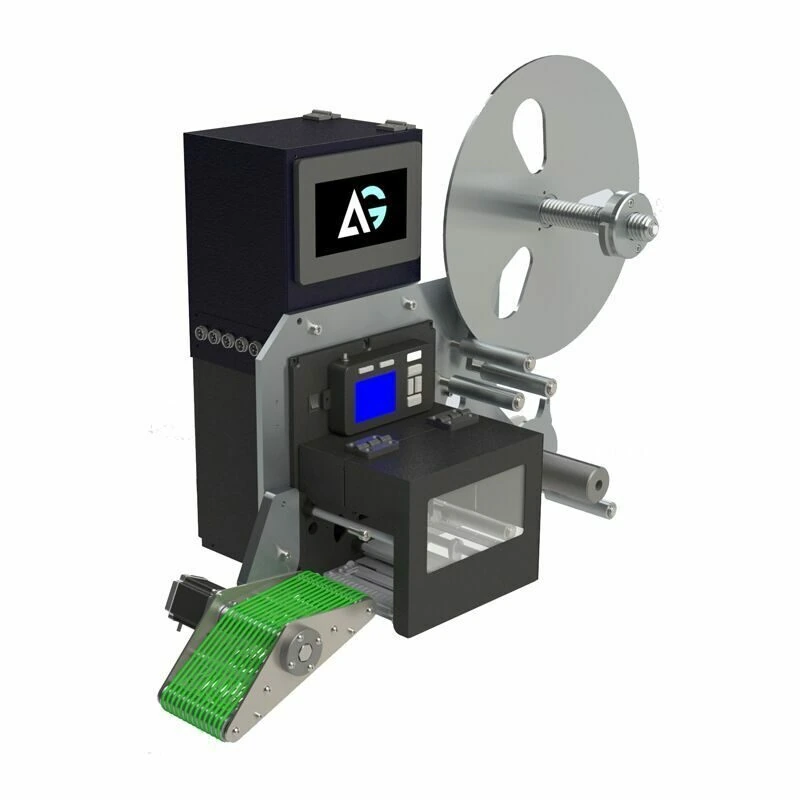
Equipment matched to your product
Industrial marking equipment
Selection and supply of equipment for applying codes to products and packaging. The print method, code position and production volume are assessed together.
Installation ready for operation
Installation and commissioning
Equipment positioning, configuration and start-up on your production line. Application, reading and any required reject points are agreed for the project.
Connected production data
Software integration
Connecting equipment with project software through agreed data exchange. Functions for individual code handling and packaging relationships, available interfaces and compatibility are established during technical assessment.
Technical support in use
Technical support
Operational support for the supplied equipment and agreed integration. Service coverage and terms are defined for each project.
PRODUCT IDENTIFICATION AND DATA FLOW
Identify, mark, read and connect
Define identifiers, apply and read codes, then connect production and packaging records. Serialization and aggregation requirements determine the equipment and integration scope.
Prepare identifiers
Define individual product identifiers and how codes reach the line. Code sources and serialization rules are agreed for the project.
Print and apply
Select the marking technology and apply Data Matrix codes to labels or packaging at the agreed points.
Read and check
Check readability and handle items that fail the check. Code reading does not replace standards-based print-quality verification, which is assessed separately.
Connect packaging records
Agree how item codes relate to packs and pallets, where aggregation is needed, and integrate the required data exchange.
Serialization and aggregation on a water-bottling line
A technical example of how individual bottles can be associated with group packs and pallets. The diagram shows Data Matrix application, code reading, reject handling and packaging identifiers.
Scroll to explore. In fullscreen, pinch or use + / − to zoom; arrow keys also move around the diagram.

Individual codes and validation
A Data Matrix code is applied to each bottle. The diagram shows code reading, validation and separation of items that fail the check.
Groups and code relationships
Individual codes are read and stored as a group. A group label is printed and applied; reading points support the relationship between individual codes and the group code. Pneumatic rejection and handheld-scanner handling are also shown.
Pallet identification
Group codes are read again before palletizing. The pallet is formed and its label printed and applied. The project’s software solution defines how group codes are linked to a pallet.
BUILT AROUND YOUR PRODUCTION
Select equipment for your product and line
Reliable identification starts with equipment matched to the line.
We assess packaging materials, code position, line speed and print durability together. Application and reading points, equipment choices and software interfaces are then defined around the records and operations your project requires.
- Packaging and code position
- Line speed and print durability
- Equipment and software compatibility
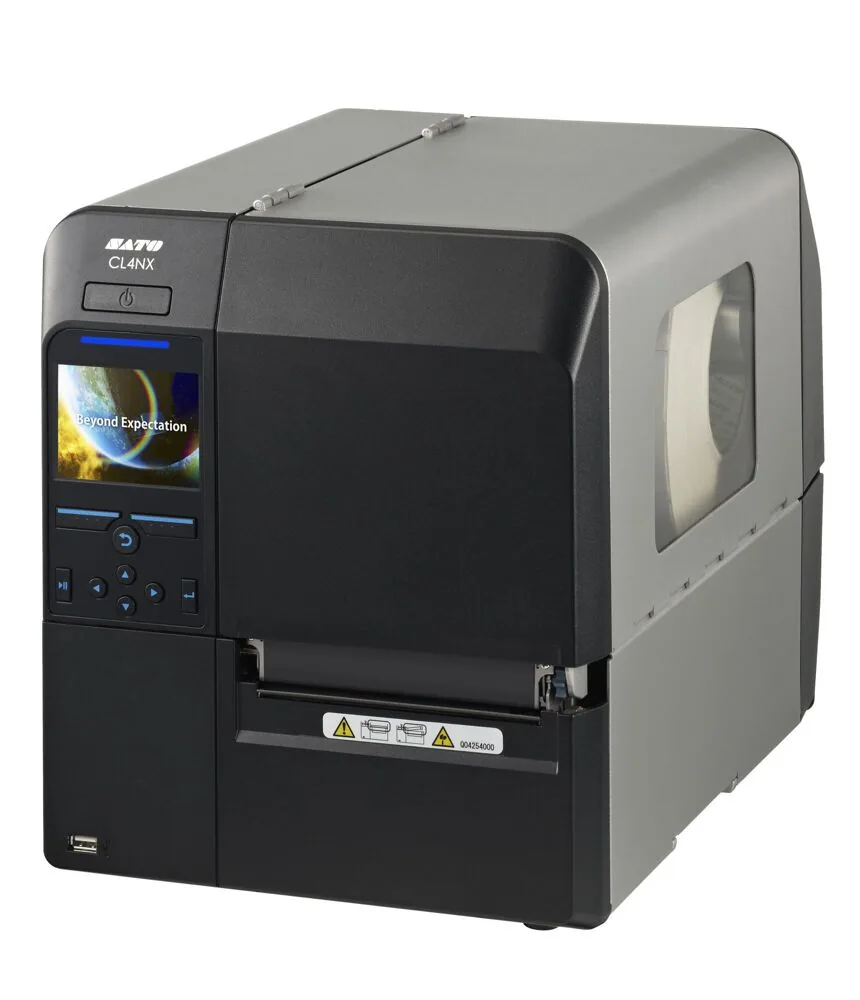
- Label printers
For printing Data Matrix codes on labels.
- Print-and-apply systems
For printing and applying labels.
- Industrial code readers
For reading codes during production.
The final configuration depends on compatibility between equipment, consumables and software.
Questions about your project
What does an industrial Track & Trace solution do?
It connects product identification with records from production and packaging. The scope may include individual codes, reading points and relationships between items, packs and pallets. The required records and operations are agreed for each project.
How do serialization and aggregation differ?
Serialization assigns an individual identifier to each product. Aggregation records which items belong to a pack, case or pallet. Printing a group label alone does not create those software relationships.
Can Data Matrix codes be used on our line?
Equipment selection depends on packaging, available space, line speed and print durability. KUFAR assesses suitable application and reading points before proposing a configuration.
Does code reading verify print quality?
Reading checks whether the selected reader can decode the symbol. Standards-based print-quality verification is a separate task; its method and equipment must be assessed for the project.
Can KUFAR integrate our existing software?
Compatibility depends on the software version, available interfaces and required operations. KUFAR provides integration within an agreed scope after technical assessment; no particular platform is assumed.
What information is needed to assess a project?
Start with the product and packaging type, line speed or daily volume, and existing equipment and software. Tell us which records you need to trace. The final configuration follows clarification of the technical requirements.
LET’S DISCUSS YOUR PROJECT
Plan Track & Trace for your production
Describe your products, packaging stages and the records you need to trace. Discuss equipment, connections to your existing line and the next steps for assessing software integration with a specialist.
Have these details ready
- Product and packaging type
- Line speed or daily volume
- Existing equipment and software
Your product type, packaging and approximate production volume are enough to start the conversation.